𝐊𝐮𝐫 𝐠𝐚𝐳𝐞𝐭𝐚𝐫𝐢 𝐫𝐚𝐩𝐨𝐫𝐭𝐨𝐧 𝐩ë𝐫 𝐝𝐡𝐮𝐧ë𝐧 𝐦𝐞 𝐛𝐚𝐳ë 𝐠𝐣𝐢𝐧𝐨𝐫𝐞 𝐚𝐩𝐨 𝐝𝐡𝐮𝐧ë𝐧 𝐧ë 𝐟𝐚𝐦𝐢𝐥𝐣𝐞, 𝐧𝐮𝐤 𝐩𝐨 𝐭𝐫𝐞𝐠𝐨𝐧 𝐭𝐡𝐣𝐞𝐬𝐡𝐭 𝐧𝐣ë 𝐡𝐢𝐬𝐭𝐨𝐫𝐢. 𝐏𝐨 𝐧𝐝𝐢𝐤𝐨𝐧 𝐧ë 𝐣𝐞𝐭ë𝐧 𝐞 𝐝𝐢𝐤𝐮𝐣𝐭.
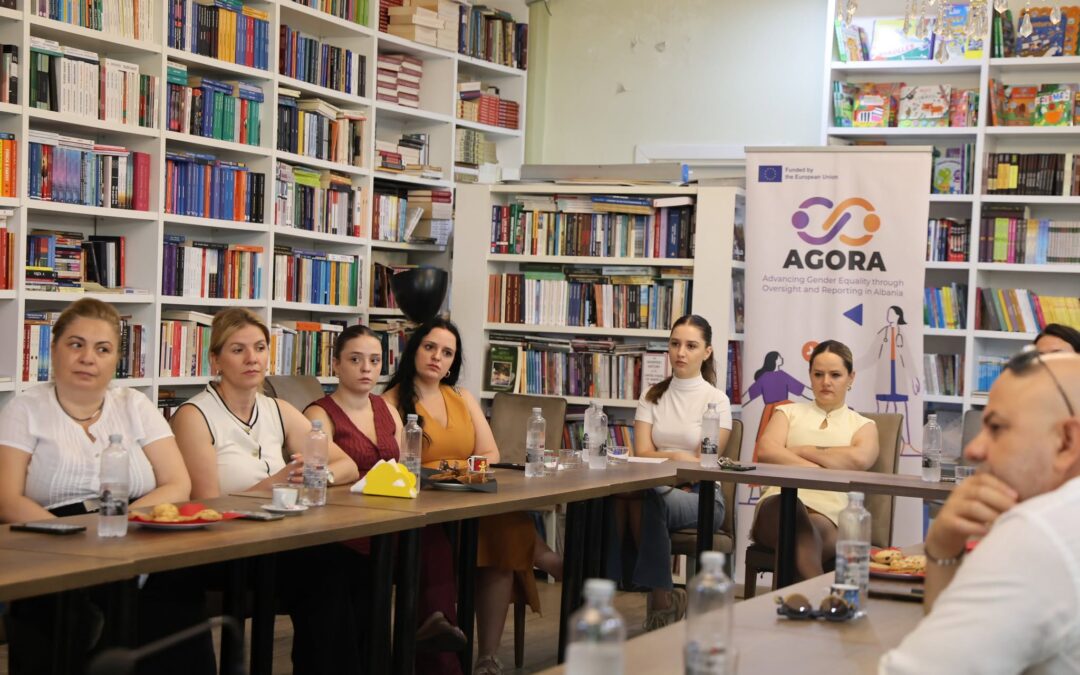
Gjatë muajve qershor dhe korrik, gazetarë nga media të ndryshme u bënë pjesë e një serie trajnimesh kushtuar raportimit etik dhe profesional të rasteve të dhunës me bazë gjinore dhe dhunës në familje, të organizuara nga Together for Life, në kuadër të 𝐩𝐫𝐨𝐣𝐞𝐤𝐭𝐢𝐭 𝐀𝐆𝐎𝐑𝐀 – 𝐀𝐝𝐯𝐚𝐧𝐜𝐢𝐧𝐠 𝐆𝐞𝐧𝐝𝐞𝐫 𝐄𝐪𝐮𝐚𝐥𝐢𝐭𝐲 𝐭𝐡𝐫𝐨𝐮𝐠𝐡 𝐎𝐯𝐞𝐫𝐬𝐢𝐠𝐡𝐭 𝐚𝐧𝐝 𝐑𝐞𝐩𝐨𝐫𝐭𝐢𝐧𝐠 𝐢𝐧 𝐀𝐥𝐛𝐚𝐧𝐢𝐚, i cili zbatohet nga një konsorcium organizatash dhe financohet nga Bashkimi Evropian.
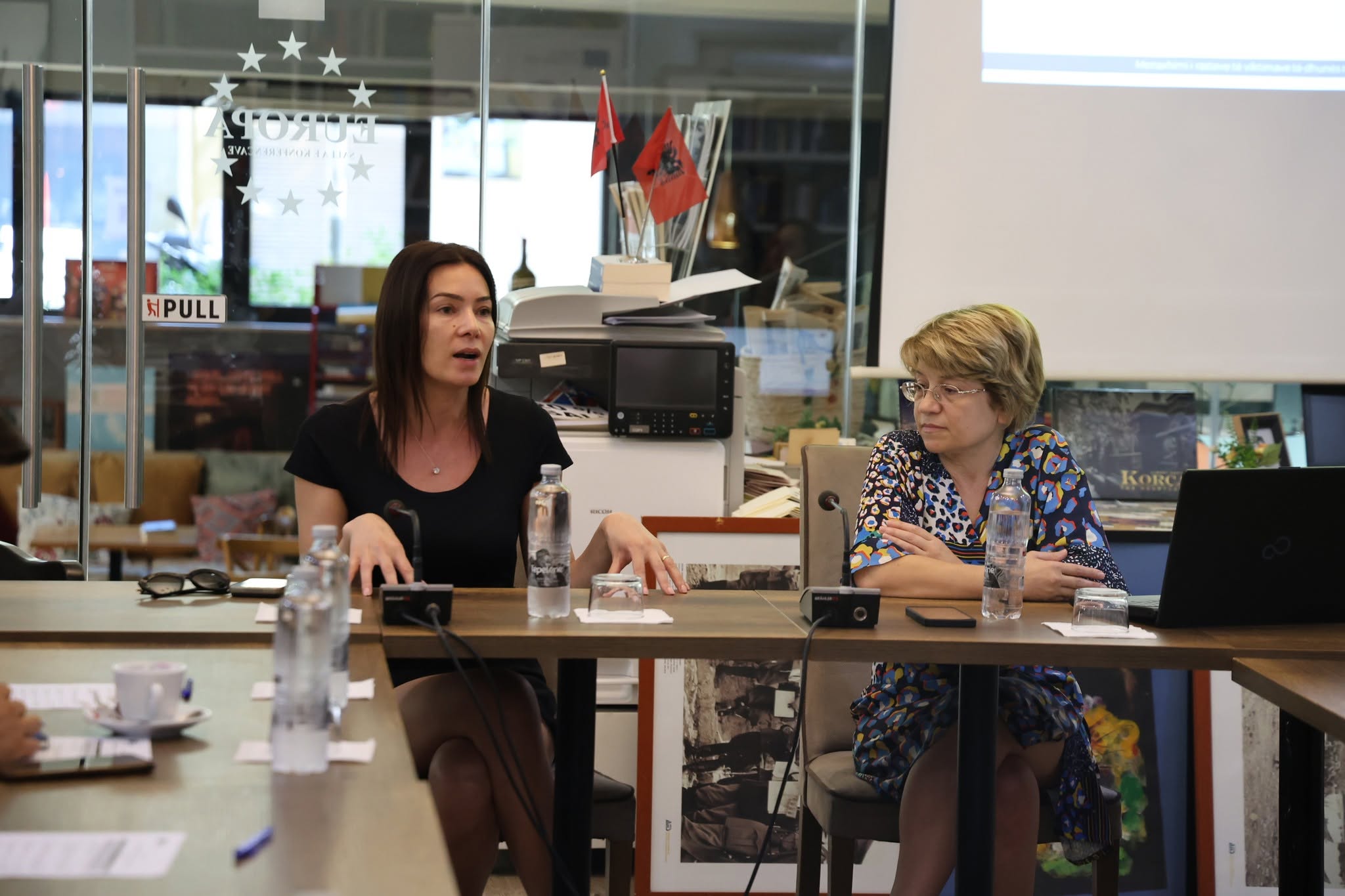
Përmes analizës së rasteve reale që kanë tronditur opinionin publik pjesëmarrësit diskutuan jo vetëm çfarë raportohet, por mbi të gjitha si raportohet.
Sepse gazetaria ka fuqinë:
të informojë pa dëmtuar askënd;
të mbrojë dinjitetin dhe privatësinë e të mbijetuarve;
të edukojë publikun;
të kërkojë llogari nga institucionet përgjegjëse – përfshirë sistemin shëndetësor, policinë, prokurorinë dhe shërbimet sociale – për mënyrën se si identifikojnë, raportojnë dhe menaxhojnë rastet e dhunës.
Një pjesë e rëndësishme e diskutimeve mes kolegeve gazetare iu kushtua sfidës së medias për të mos rënë pre e garës për klikime, duke shmangur gjuhën që romantizon dhunën, fajëson viktimën, cenon privatësinë ose riviktimizon të mbijetuarit.
Përmes metodave interaktive, si Mentimeter, gazetarët testuan njohuritë e tyre, sfiduan perceptimet dhe reflektuan mbi përgjegjësinë që mbart çdo lajm i publikuar. Sepse një raportim i mirë nuk matet vetëm me numrin e klikimeve.
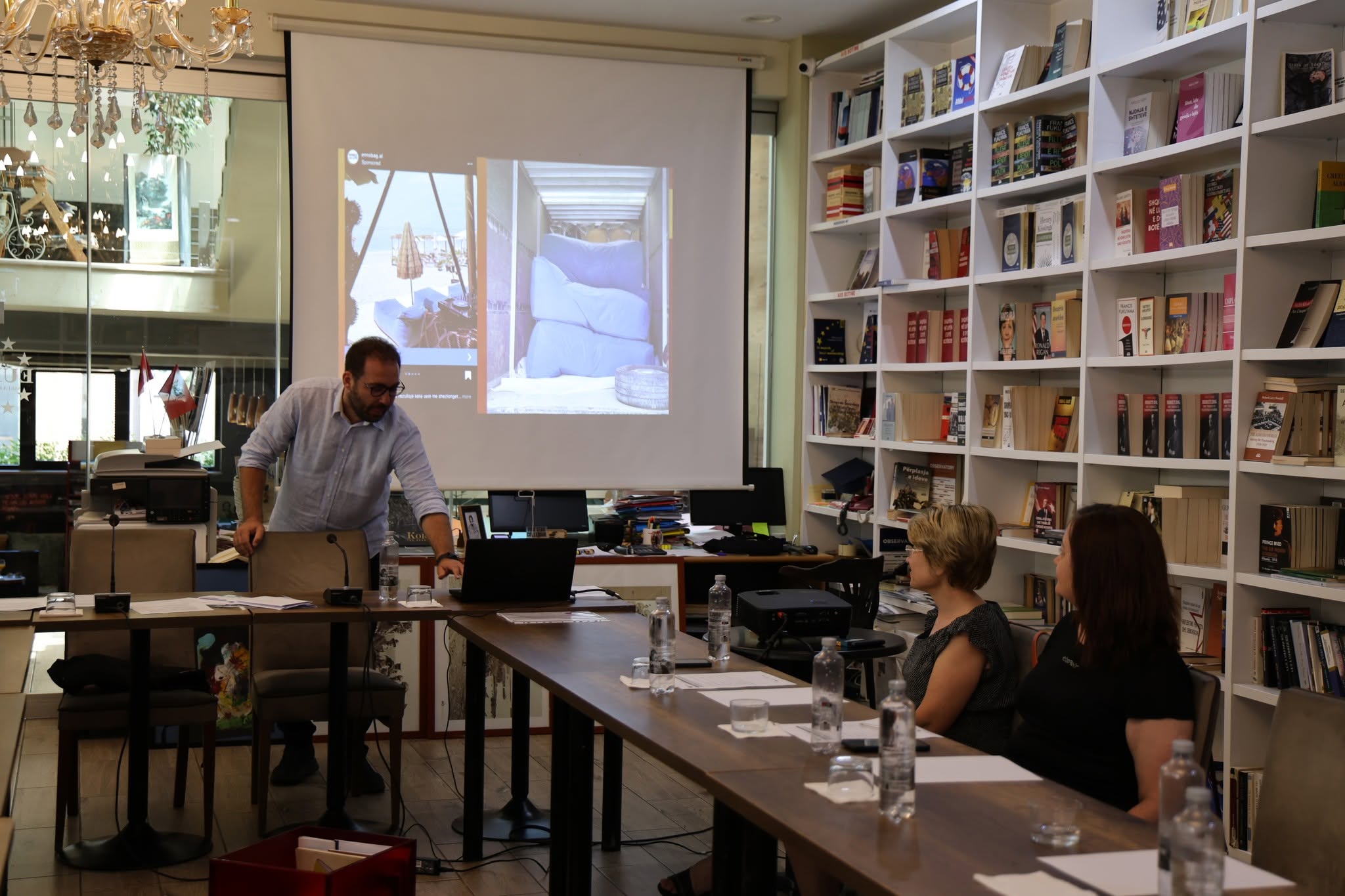
Ai matet me ndikimin që lë tek njerëzit, me besimin që ndërton dhe me kontributin që jep për një shoqëri që nuk e normalizon dhunën, por e denon atë.
Ky publikim u realizua në kuadër të iniciativës “Advancing Gender Equality through Oversight and Reporting in Albania (AGORA)”, të zbatuar nga Gender Alliance for Development Centre (GADC), Together for Life dhe Institute of Romani Culture in Albania (IRCA), mbështetur financiarisht nga Bashkimi Evropian. Përmbajtja e këtij dokumenti është përgjegjësi e vetme e Together for Life dhe në asnjë rrethanë nuk mund të konsiderohet se pasqyron pozicionin e Bashkimit Evropian.
***
𝐖𝐡𝐞𝐧 𝐚 𝐣𝐨𝐮𝐫𝐧𝐚𝐥𝐢𝐬𝐭 𝐫𝐞𝐩𝐨𝐫𝐭𝐬 𝐨𝐧 𝐠𝐞𝐧𝐝𝐞𝐫-𝐛𝐚𝐬𝐞𝐝 𝐯𝐢𝐨𝐥𝐞𝐧𝐜𝐞 𝐨𝐫 𝐝𝐨𝐦𝐞𝐬𝐭𝐢𝐜 𝐯𝐢𝐨𝐥𝐞𝐧𝐜𝐞, 𝐭𝐡𝐞𝐲 𝐚𝐫𝐞 𝐧𝐨𝐭 𝐬𝐢𝐦𝐩𝐥𝐲 𝐭𝐞𝐥𝐥𝐢𝐧𝐠 𝐚 𝐬𝐭𝐨𝐫𝐲, 𝐭𝐡𝐞𝐲 𝐚𝐫𝐞 𝐢𝐧𝐟𝐥𝐮𝐞𝐧𝐜𝐢𝐧𝐠 𝐬𝐨𝐦𝐞𝐨𝐧𝐞’𝐬 𝐥𝐢𝐟𝐞.
During June and July, journalists from various media outlets participated in a series of training sessions on the ethical and professional reporting of gender-based violence and domestic violence cases.
The trainings were organized by Together for Life as part of the 𝐀𝐆𝐎𝐑𝐀 – 𝐀𝐝𝐯𝐚𝐧𝐜𝐢𝐧𝐠 𝐆𝐞𝐧𝐝𝐞𝐫 𝐄𝐪𝐮𝐚𝐥𝐢𝐭𝐲 𝐭𝐡𝐫𝐨𝐮𝐠𝐡 𝐎𝐯𝐞𝐫𝐬𝐢𝐠𝐡𝐭 𝐚𝐧𝐝 𝐑𝐞𝐩𝐨𝐫𝐭𝐢𝐧𝐠 𝐢𝐧 𝐀𝐥𝐛𝐚𝐧𝐢𝐚 𝐩𝐫𝐨𝐣𝐞𝐜𝐭, implemented by GADC, TFL and IRCA organizations and funded by the European Union.
Through the analysis of real-life cases that have shocked public opinion, participants explored not only what is reported, but, more importantly, how it is reported.
Because journalism has the power to:
inform without causing harm;
protect the dignity and privacy of survivors;
educate the public;
hold responsible institutions, including the healthcare system, the police, the prosecution, and social services, accountable for how they identify, report, and respond to cases of violence.
An important part of the discussions among the participating journalists focused on the media’s responsibility to resist the race for clicks by avoiding language that romanticizes violence, blames victims, violates their privacy, or re-traumatizes survivors.
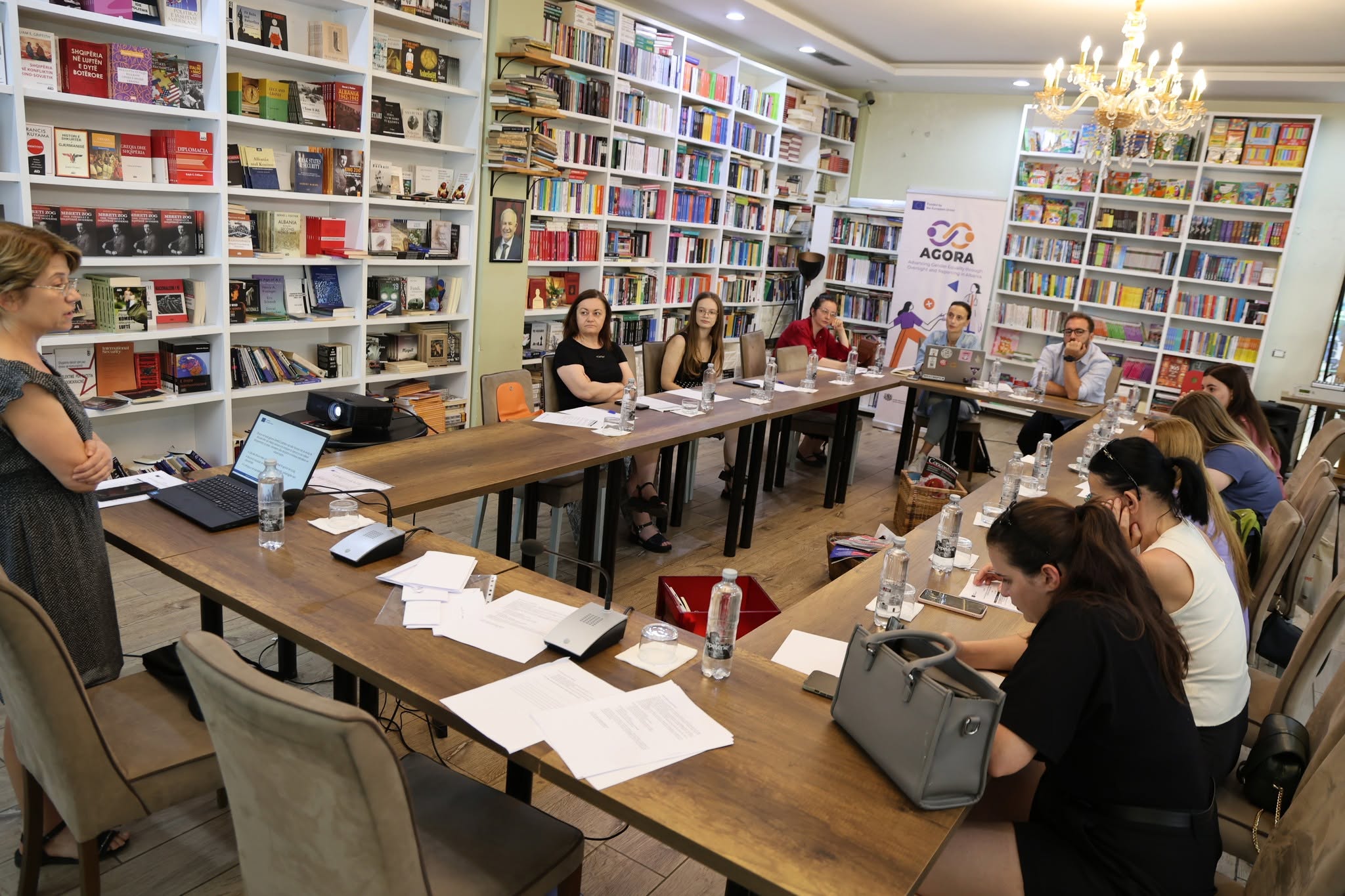
Through interactive methods such as Mentimeter, journalists tested their knowledge, challenged their assumptions, and reflected on the responsibility that comes with every story they publish.
Because good journalism is not measured solely by the number of clicks. It is measured by the impact it has on people’s lives, the trust it builds, and the contribution it makes to a society that does not normalize violence, but exposes and condemns it.
This publication was produced as part of the initiative “Advancing Gender Equality through Oversight and Reporting in Albania (AGORA)”, implemented by the Gender Alliance for Development Centre (GADC), Together for Life, and the Institute of Romani Culture in Albania (IRCA), with financial support from the European Union. The contents of this video are the sole responsibility of Together for Life and can under no circumstances be regarded as reflecting the position of the European Union.