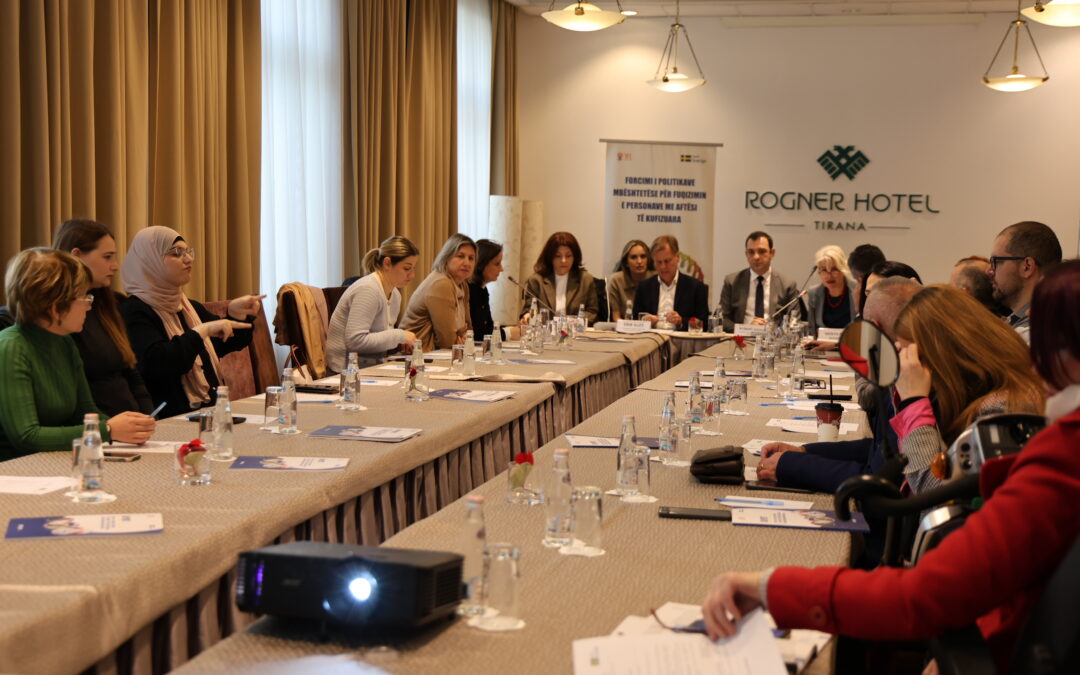
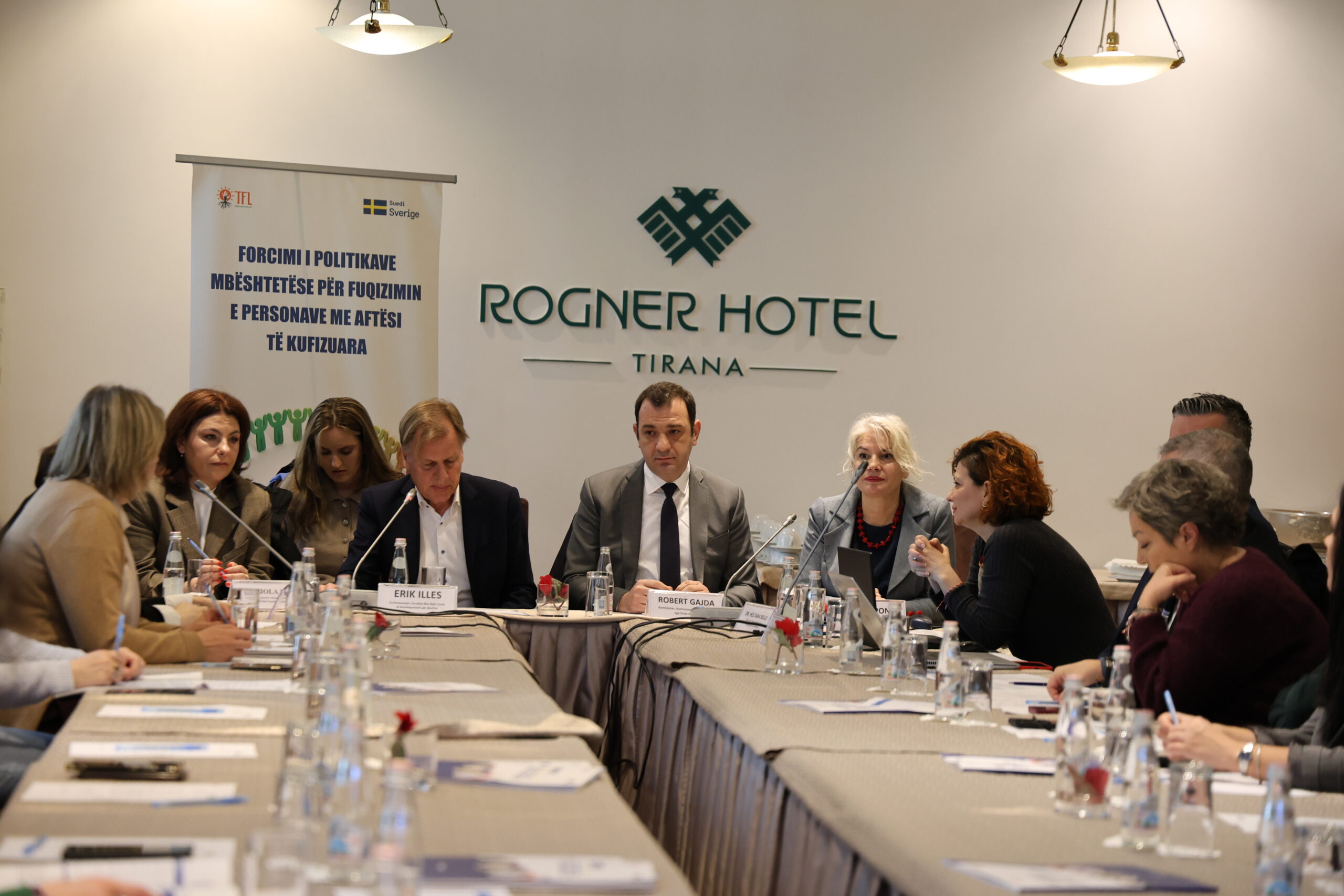
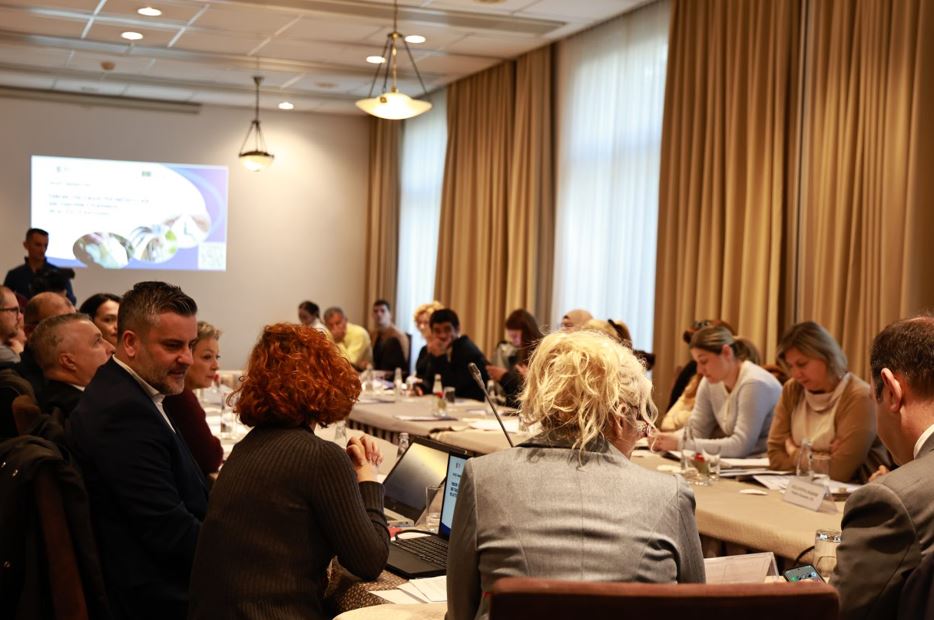
Gjetjet e raportit “Efektet e zbatimit të skemës së vlerësimit të aftësisë së kufizuar bazuar në modelin bio-psiko-social”, realizuar nga shoqata Together for Life me mbështetjen financiare të Ambasadës së Suedisë në Tiranë, u prezantuan në një tryezë të rrumbullakët me pjesëmarrjen e përfaqësuesve të institucioneve qendrore, institucioneve të pavarura të të drejtave të njeriut, Shërbimit Social Shtetëror, Inspektoratit Shtetëror të Punës dhe Shërbimeve Shoqërore, Agjencisë Kombëtare të Punësimit dhe Aftësive, Bashkisë Tiranë, Bashkisë Kamëz, si dhe organizatave të shoqërisë civile që punojnë në fushën e aftësisë së kufizuar.
Gjatë fjalës së tij përshëndetëse, Zv. Ambasadori i Suedisë dhe Shefi i Zyrës së Bashkëpunimit për Zhvillim, z. Erik Illes, theksoi se procesi i integrimit të Shqipërisë në BE mbetet një nga shtytësit kryesorë të reformave në vend. Ai nënvizoi se raporti prek thelbin e këtyre përpjekjeve: forcimin e të drejtave të njeriut, përmirësimin e qeverisjes dhe ofrimin e shërbimeve publike që i përgjigjen realisht nevojave të qytetarëve.
“Raporti i prezantuar sjell prova të qarta se, pavarësisht progresit të arritur, mbeten ende sfida të rëndësishme në koordinim, aksesueshmëri, përdorimin e të dhënave dhe zbatimin praktik të reformave”, nënvizoi Illes.
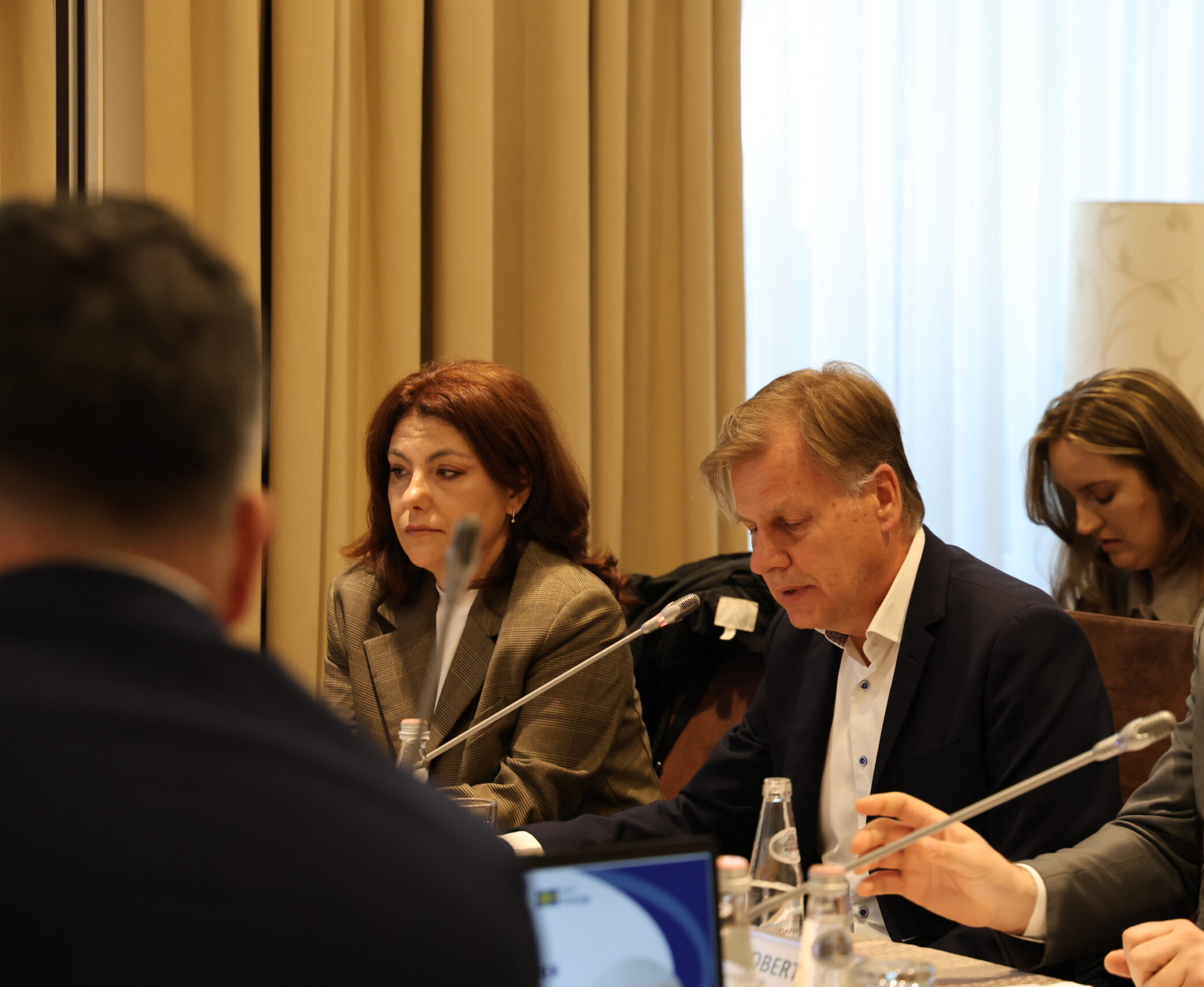
Komisioneri për Mbrojtjen nga Diskriminimi, z. Robert Gajda, u shpreh se aftësia e kufizuar mbetet një nga shkaqet më të shpeshta të ankesave pranë institucionit të tij, duke reflektuar sfidat e vazhdueshme që përballin personat me aftësi të kufizuara në jetën e përditshme. Ai theksoi se një nga kritikat kryesore ndaj zbatimit të vlerësimit bio-psiko-social lidhet me faktin se nuk është punuar me të njëjtin intensitet në dy drejtimet kryesore që kjo qasje duhet të kishte pasur: nga njëra anë klasifikimin dhe nga ana tjetër garantimi i shërbimeve mbështetëse.
Raporti thekson se, megjithëse modeli bio-psiko-social synon një qasje më të plotë dhe më dinjitoze ndaj aftësisë së kufizuar, në praktikë vijojnë të evidentohen boshllëqe të rëndësishme në koordinimin ndërinstitucional, transparencën, cilësinë e të dhënave, ofrimin e shërbimeve dhe mbështetjen reale për personat me aftësi të kufizuara. Ka ardhur koha që qeveria shqiptare të njohë dhe vlerësojë kontributet e personave me aftësi të kufizuar, si dhe të dëgjojë dhe të përgjigjet denjësisht ndaj nevojave të tyre.
***
The findings of the report “Effects of the implementation of the disability assessment scheme based on the bio-psycho-social model”, prepared by Together for Life with the financial support of the Embassy of Sweden in Tirana, were presented during a roundtable discussion with the participation of representatives from central institutions, independent human rights institutions, the State Social Service, the State Inspectorate of Labor and Social Services, the National Employment and Skills Agency, the Municipality of Tirana, the Municipality of Kamëz, as well as civil society organizations working in the field of disability.
In his welcoming remarks, the Deputy Ambassador of Sweden and Head of Development Cooperation, Mr. Erik Illes, emphasized that Albania’s EU integration process remains one of the main drivers of reforms in the country.
He underlined that the report addresses the core of these efforts: strengthening human rights, improving governance, and ensuring that public services respond effectively to the needs of citizens.
“The presented report provides clear evidence that, despite the progress achieved, significant challenges remain in coordination, accessibility, data use, and the practical implementation of reforms,” Illes noted.
The Commissioner for Protection from Discrimination, Mr. Robert Gajda, stated that disability remains one of the most frequent grounds for complaints submitted to his institution, reflecting the ongoing challenges faced by persons with disabilities in their daily lives.
He highlighted that one of the main criticisms regarding the implementation of the bio-psycho-social assessment relates to the lack of equal focus on its two key components: on one hand, classification, and on the other, the provision of supportive services.
The report highlights that, although the bio-psycho-social model aims to promote a more comprehensive and dignified approach to disability, in practice significant gaps persist in inter-institutional coordination, transparency, data quality, service provision and real support for persons with disabilities. The time has come for the Albanian government to recognize and value the contributions of persons with disabilities, as well as to listen to and respond adequately to their needs.