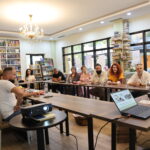
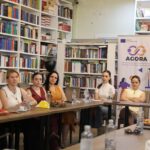
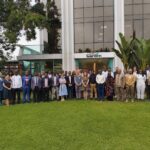
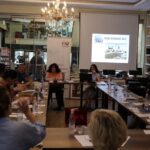
The 2-day Media Forum "Dialogue with Journalists for the Reform of Social Care in Albania", organized by UN Women Albania in cooperation with Together for Life brought together about 45 journalists from the economic, social and political fields of the national media and not only.
This activity aimed to empower journalists and provide a comprehensive understanding of their essential role in advancing social care reform and gender equality in Albania.
National and international experts, media representatives and invited academics, shared perspectives and viewpoints on the role of the media in identifying and combating gender discrimination and different levels of gender inequality, responsible budgeting based on the concept of gender equality, emphasizing investment in education and social protection policies, as well as strategies and protective legal framework against gender-based discrimination.
On the other hand, the open dialogue between journalists from the political and social field organized by Together for Life on the topic "Media and Portrayal of Women in Politics and during Elections", moderated by journalist/media expert Klodiana Kapo and addressed by politician analyst and former politician Alma Lama, invited by TFL within the project "The Role of the Media in the Empowerment of Women in Politics and Decision-Making", brought to attention the problems, challenges and forms of discrimination, disinformation and hate speech on the basis of which women leaders/politicians are portrayed in the media.
About 15 journalists from the political and social field were informed by the expert regarding concrete examples of media portrayal of women in politics, the forms gender disinformation campaigns negatively affect women's political participation, as well as the essential role of the media during election campaigns in providing access to expression for women politicians, shaping public opinion on the role of women, but also in making informed decisions.
"Based on sexist narratives and characterized by malicious intent and coordination, gender disinformation distorts public understanding of the history of female politicians and discourages women from entering political careers. A free media freed from prejudices and respecting the diversity of society and equality between women and men, has the capacity to give citizens knowledge to make informed decisions and to participate fully in the public debate" - said the expert Lama.
The discussion among the journalists of this session highlighted some issues and recommendations:
- Political women are often portrayed based on their appearance, with sexist language. What is important is to focus on policies, achievements and qualifications of women politicians instead of personal attributes or appearance.
- In political debates, journalists should ensure that they have equal coverage between male and female politicians, as it is often evident that women are invited to shows or debates on social topics, gender issues or "light" issues, while the political panels are filled with male figures.
- More important is education and media education on ethical reporting but also on the reaction mechanisms to lynching campaigns against the image of women and to increase the number of women in editorial teams as a powerful voice.
- Journalists have in hand the shaping of public opinion and have an essential role in the positive promotion of women and their achievements in politics, conveying the message that these figures are needed for policy-making and decision-making. This, in turn, encourages other women to participate in politics.
In the joint and last session of the Media Forum, TFL shared with everyone some of the recommendations reached during the discussion, placing emphasis especially on the need for journalists to be profiled and trained based on the criteria of professional journalism, but also they know which are the responsible institutions to which they should promote accountability for bringing about a change.
What is worth noting was the sensitivity in handling the issue of those present at the Forum, who unanimously agreed that there is a need to take steps to change the narrative for women and girls on gender equality issues and the media should be the main helping factor in strengthening the accountability system and keeping institutions accountable.
In his closing speech, Mr. Michele Ribotta, representative of UN Women in Albania, expressed his appreciation for such organizations and supported the dedicated engagement of journalists during the event and the power they have in sharing information with the public regarding human rights. "Media professionals are like the 'guardians of the common house of information and truth’, where both the level of responsibility and the difficulty of being a journalist nowadays is very high." – said Ribotta.